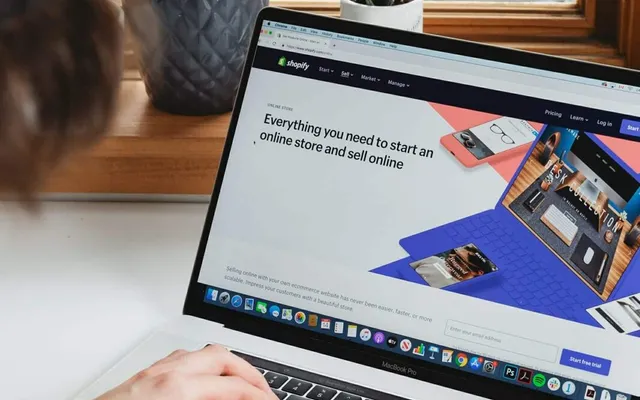

With measures in place to prevent the spread of the coronavirus, people in Japan are spending more time at home through remote work and online classes. Against this backdrop, as in-store sales decline, e-commerce sales are trending upward.
As competition in e-commerce intensifies, many companies are making clever use of all this “time at home” that the stay-at-home guidance has created to drive shoppers to their online stores. For businesses now thinking about their e-commerce strategy, here are examples of online store campaigns run during this period, grouped into three types.
1. Creating feature articles on products that make time at home better
This was a popular tactic, especially among companies selling home appliances and everyday goods. With so many people stuck at home for long stretches, plenty of households used the time to clean places they normally skip or to rearrange their rooms. In the “Ways to Enjoy Time at Home” ranking compiled by the ranking site “Rankingoo!”, “tidying and organizing the home” came in at number three.
Source: Rankingoo!
Taking that trend into account, a company can create articles that introduce its own products, such as furniture, and help shoppers make their choices, which can carry through to a purchase. Building articles around terms that were heavily searched during the stay-at-home period, like “time at home” or “Stay home,” also opens the door to SEO benefits. Since making the most of one’s hobbies was a big theme, products such as audio equipment and e-books also featured in many of these articles. Below are a few examples of product feature pages created for this time-at-home moment.
Shiseido
On its online store, Shiseido created a page under the hashtag “#STAYHOMEbeauty” that embeds links to YouTube videos recommending products for at-home skincare and makeup. Because the products are shown in video, viewers can see the details more clearly than they could from a still image, which makes for a stronger pitch.
Source: Shiseido Japan Co., Ltd. #STAYHOMEbeauty
SONY
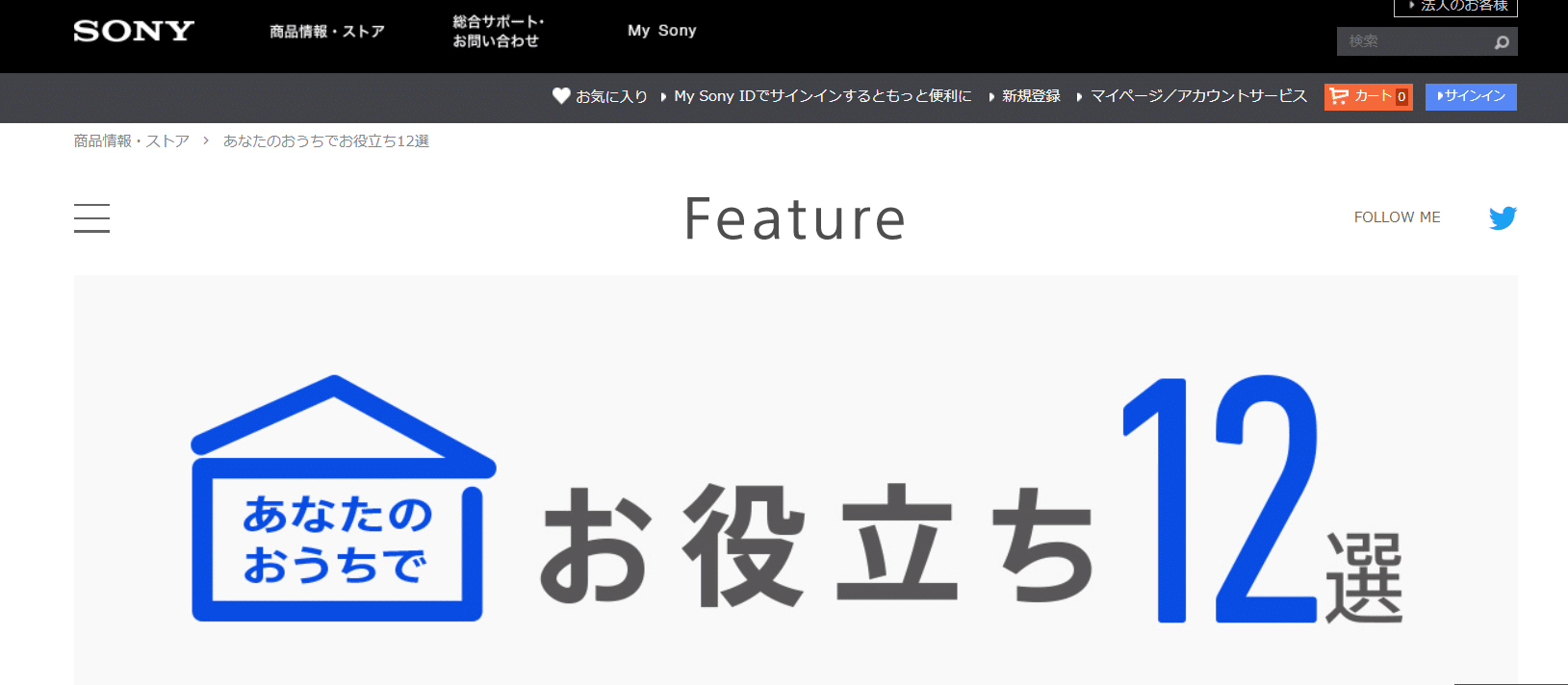
Centered on audio equipment, SONY used its site to showcase products that support remote work and relaxed time at home. As work, classes, and video calls increasingly moved into the home, the company tied its pitch to real-world use cases for audio gear, cameras, and more.
Source: Sony Marketing Inc. 12 Picks to Make Your Home Life Easier
2. Sites selling regional specialty products
Unable to travel and unwind because of stay-at-home guidance, people still wanted to enjoy local foods they don’t usually get to eat. Some companies responded by selling regional foods and desserts from across the country through their online stores. Here are two examples.
Ouchi de Dai-Hokkaido Ten (The Great Hokkaido Fair at Home)

Misa Kunii, who spent more than ten years as an MC and news anchor on Hokkaido information programs, launched this online store after seeing sales plummet for the Hokkaido producers and restaurants she had previously covered, all because of the coronavirus outbreak. The site sells a wide variety of Hokkaido ingredients and dishes. Since you can enjoy at home so many foods that are usually only available in Hokkaido, it might just make you feel as if you’d actually traveled there.
Source: Gate Co., Ltd. Ouchi de Dai-Hokkaido Ten
Eat to Protect, Eat to Support! Japan’s Food Culture
Like Ouchi de Dai-Hokkaido Ten, this site sources and sells regional foods that need support because of the coronavirus’s impact. It frames shopping from home as a way to help prevent infection while also contributing to the food businesses behind these products. By buying delicious regional foods, you can enjoy a kind of virtual food tour of Japan from your own home. For people who, until now, could only eat these regional ingredients on location, sites like this offer a great chance to savor them no matter where they are.
Source: Gurunavi, Inc.
3. Joining online events by buying products
With events being cancelled because of the spread of the coronavirus, several companies have shifted their cancelled events online. The idea is to build attendance into product purchases on the e-commerce store, using the event itself to draw shoppers in.
This appeals not only to people who were looking forward to the event, but also to those who previously couldn’t attend because of the distance to the venue. Online participation removes travel costs and makes it easier to take part, so companies can expect a bump in turnout. One example is Cookpad Mart’s online marche.
Cookpad Mart
With Cookpad Mart, buying a product through the e-commerce app lets you join events held within the Cookpad Mart app. Taking the form of pay-first live commerce, it lets you join an online marche that changes its theme each week and introduces a variety of foods. With more and more people buying food through e-commerce and delivery services, prompting app downloads through this kind of campaign may well have helped grow the app’s user base.
Source: Cookpad Inc. Online Marche
The following event is another example of a sales campaign built around an online event.
Ouchi de Bazaar (The At-Home Bazaar)
Here, the e-commerce site itself becomes the online event. Held in early May this year, it let companies struggling to stay open because of the coronavirus set up shop and sell. It went beyond simple selling: by registering a Facebook account, shoppers could chat with staff to ask questions about products, and the bazaar also ran online workshops, including a craft event for elementary school children making things out of cardboard.
Over the three days it ran, more than 8,000 people in total visited the site, and the event wrapped up successfully.
Source: Ouchi de Bazaar
Summary: Read customer needs in step with the social climate
In this article, we looked at three broad approaches for driving more shoppers to e-commerce stores during this period of increased time at home.
The examples here are only a sample, and the right approach will vary by industry and product. Going forward, “time at home” may well remain at the center of consumer trends. As stay-at-home consumption grows, with people doing their essential shopping online, strengthening e-commerce traffic and online purchase promotion will become essential.
At the same time, it is true that online sales competition is heating up. To carry customers all the way to purchase amid that competition, businesses will need to read customer needs in step with the changing social climate and roll out campaigns accordingly. We hope this article gives you a useful hint for your future efforts.